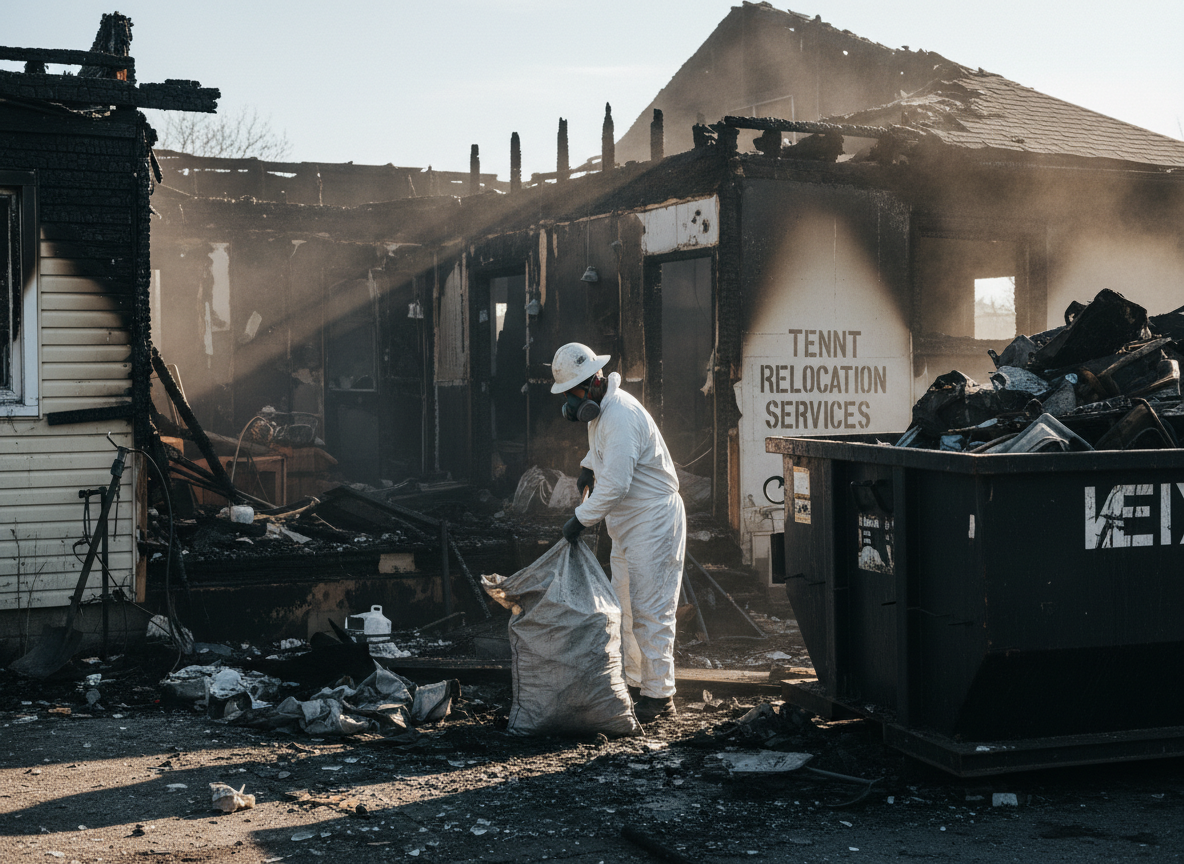
Tenant fire damage cleanup in Burton requires careful separation of personal belongings from structural surfaces because many island homes built before 1970 still contain original plaster and lathe that trap smoke particles deep in the cavities. On Vashon, the constant marine humidity means soot quickly bonds to drywall and cabinetry, so technicians begin with HEPA air scrubbers and negative air machines within hours of the fire to prevent further adhesion. Residue from burned wiring and insulation often leaves acidic deposits that etch metal fixtures if left untreated for more than 48 hours.
Because Burton rentals frequently sit on septic systems rather than city sewer, crews must contain all wash water and prevent runoff toward wells or nearby ravines during wall washing and floor cleaning. Smoke can travel through shared attics and crawlspaces common in older island cottages, so inspection extends beyond the unit of origin to neighboring rentals to avoid hidden odor complaints later. Contents are inventoried room by room, with textiles and electronics separated for off-site ozone or thermal fog treatment when on-site methods risk damaging finishes.
After initial cleaning, moisture meters track wall cavities because Puget Sound fog keeps relative humidity above 70 percent for weeks at a time, creating ideal conditions for secondary mold behind baseboards. Final clearance includes swab testing for pH levels on surfaces to confirm acidic soot has been neutralized before tenants return.
Technician insight
In Burton, the thing that catches most people out with tenant fire damage cleanup is how quickly the island's constant 70-plus percent humidity lets soot re-adhere to surfaces and triggers mold behind baseboards if drying isn't started the same day.
Cottage kitchen fire on SW 240th
A grease fire in a 1960s Burton rental spread smoke through the open ceiling into the attic shared with the unit next door. We found acidic soot on all plaster walls and standing water from the fire department's hoses already soaking subfloor joists. After containing wash water to protect the septic system, we washed surfaces, ran dehumidifiers for six days, and cleared the unit for reoccupancy once moisture readings matched surrounding island homes.
How it works
- 1
Emergency Board-Up and Site Security
Secure the unit to prevent weather intrusion and unauthorized access while documenting the scene for the property owner and insurance.
- 2
Soot and Smoke Assessment
Test surfaces for pH and residue type to determine whether wet or dry cleaning methods are required for each material.
- 3
Contents Cleaning and Odor Removal
Pack out textiles, furniture, and personal items for specialized treatment or disposal, then apply thermal fogging or ozone to remaining surfaces.
- 4
Structural Cleaning and Drying
Wash walls, ceilings, and floors, followed by dehumidification to bring moisture levels back to island norms before reconstruction.
- 5
Final Clearance and Tenant Move-In Prep
Conduct visual and air-quality checks, then coordinate with the landlord for reoccupancy once the unit passes inspection.
Pricing
Pricing varies by square footage affected, smoke penetration depth, and whether contents require off-site cleaning.