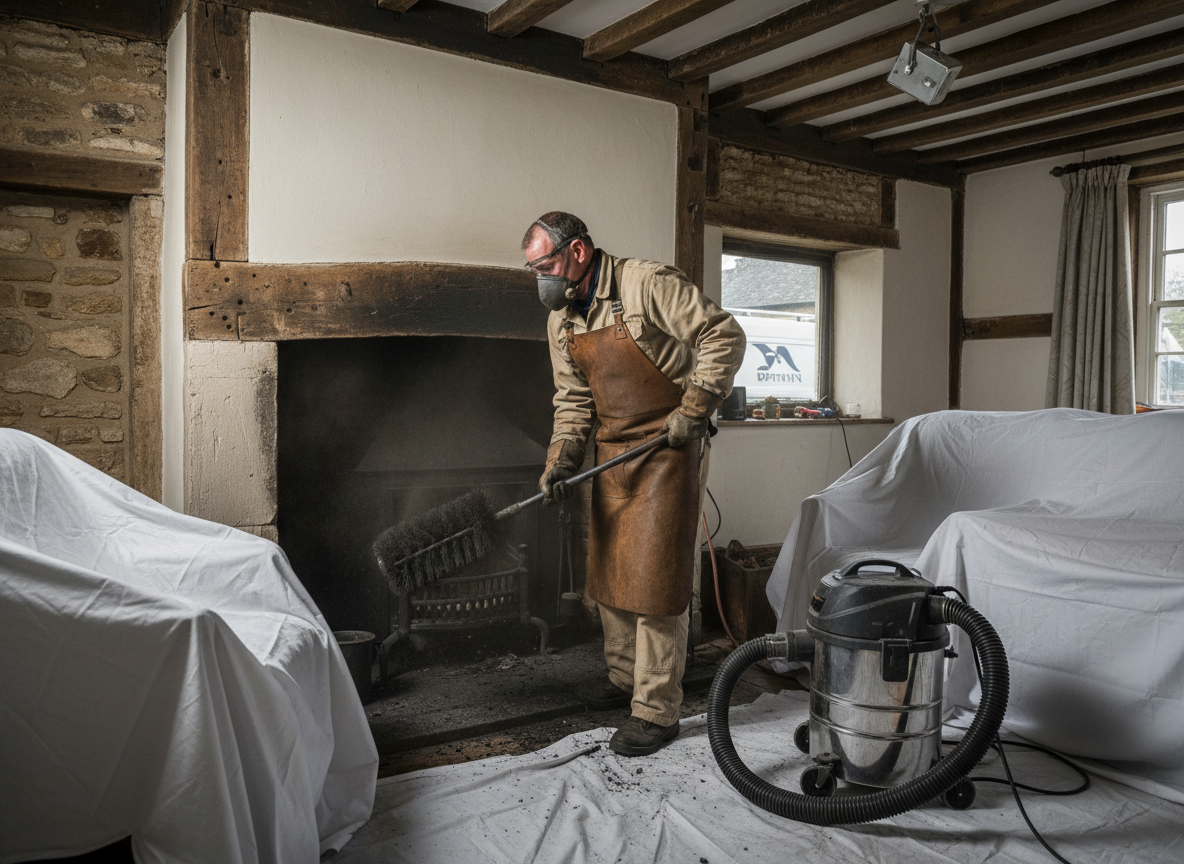
Soot from structure fires in Burton settles into porous materials like cedar siding and fir flooring common in Vashon Island homes built before 1970. These particles carry acidic compounds that etch surfaces and stain insulation if not neutralized within the first 48 hours. Technicians use HEPA vacuums with variable suction followed by pH-balanced sponges to lift residue from textured drywall without abrading the paper facing.
Ferry schedules and narrow roads off Vashon Highway limit equipment access, so crews stage smaller negative-air machines at the 24009 Vashon Hwy SW shop and transport them in vans. Damp marine air keeps soot moist longer than in drier mainland counties, increasing the risk of secondary staining on carpet pads and cabinet interiors. Odor molecules bond to HVAC ducts in these older single-story homes, requiring separate duct cleaning passes after surface work.
Edge cases include soot migration into crawl spaces beneath Burton properties where soil moisture combines with carbon to create persistent musty odors. Technicians seal off these areas with plastic sheeting before starting and use air scrubbers rated for 600 CFM to maintain negative pressure. Homeowners are advised against running household vacuums, as the fine particles pass through standard bags and redeposit on furniture.
Code considerations in King County require proper disposal of soot-contaminated drywall as construction debris rather than household waste. Crews document each load with photos for insurance adjusters and leave surfaces ready for independent inspection before any reconstruction begins.
Technician insight
In Burton, the thing that catches most people out with soot removal is how the island's older fir floors and cedar closets trap fine particles that later react with our frequent damp air, turning light residue into permanent shadows if not lifted the same day.
Soot in Vashon Island Kitchen After Electrical Fire
A kitchen fire on a Burton side street sent soot through open cabinet doors and into the adjacent living room. Inspection showed residue inside the range hood and along baseboards where the home's original fir flooring met the wall. Crews contained the rooms, vacuumed and sponged all surfaces, then treated the HVAC run that served both spaces. The homeowner returned to a space free of visible soot and odor within two days.
How it works
- 1
Initial Assessment
Technicians inspect affected rooms at the Burton property, mapping soot distribution on walls, ceilings, and HVAC components while noting any water used during fire suppression.
- 2
Containment Setup
Plastic barriers and negative-air machines isolate the work zone to prevent soot from migrating into unaffected areas of the Vashon Island home.
- 3
Surface Cleaning
HEPA vacuums followed by chemical sponges remove loose and embedded soot from hard surfaces without redistributing particles.
- 4
Odor Neutralization
Thermal fogging or ozone treatment addresses remaining smoke odors trapped in porous materials and ductwork.
- 5
Final Clearance
Visual and odor inspection confirms surfaces are clean before barriers are removed and the space is returned to the homeowner.
Pricing
Scope depends on square footage affected and whether HVAC cleaning is required; upfront assessment provided before work begins.