2026-10-17 ·
Handling Smoke Odor in Older Burton Properties
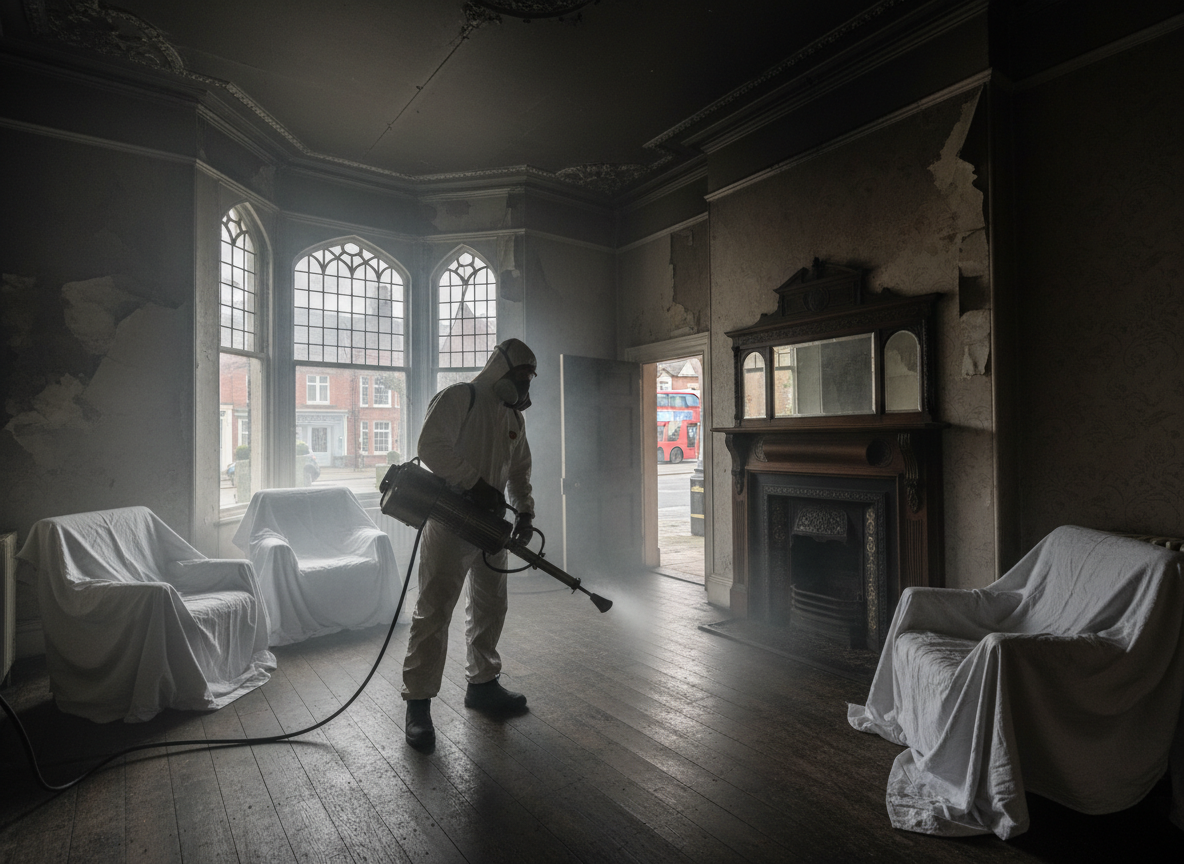
Smoke odor lingers longest in Burton homes built before 1960 because plaster, lathe, and unsealed fir floors absorb particulates that standard cleaning misses. Addressing it requires treating each material layer rather than masking with sprays.
Mapping Odor Sources in Pre-1960 Burton Homes
Burton’s older housing stock along Vashon Hwy SW often features balloon framing and plaster-over-lath walls that create hidden cavities where smoke settles. Start by removing contents and inspecting attics and crawl spaces for soot on insulation. Test baseboards and window casings with a moisture meter because water used during firefighting can reactivate odors months later. In single-wall construction common on the island, smoke travels vertically through stud bays, so odor may appear strongest on the second floor even when the fire started downstairs. Document every affected room with photos before any cleaning begins.
Treating Porous Materials Without Removal
Plaster and unsealed wood in Burton homes absorb smoke molecules that sit below the surface. Apply a pH-neutral cleaner to plaster walls in sections, agitating with soft brushes and rinsing with distilled water to avoid mineral deposits from local well water. For fir floors, sand only the top 1/16 inch after cleaning because deeper sanding risks exposing new grain that will reabsorb odor. Seal cleaned wood with an odor-blocking primer rated for smoke rather than standard paint. Never use ozone generators inside occupied older homes because the gas can degrade rubber gaskets and wiring insulation still present in 1940s–1950s electrical systems.
Improving Airflow in Tight Island Homes
Burton properties near the highway often have small windows and limited cross-ventilation, which slows natural drying after a fire. Set up negative-air machines with HEPA and carbon filters exhausting through a window on the leeward side of the prevailing wind. Run the machines 24 hours a day for the first three days, then reduce to daytime only once surface moisture readings drop below 12 percent. Place box fans in doorways to create a circular airflow pattern that pulls air from the farthest rooms toward the exhaust point. In winter months, supplement with portable dehumidifiers set to 45 percent because cold, damp air holds odor longer than dry air.
Knowing When Professional Odor Removal Is Required
Persistent odor after two rounds of cleaning usually means smoke has reached subfloor cavities or behind built-in cabinetry that cannot be disassembled on site. At that point contact a team experienced with Vashon Island homes for odor removal after fire. They can inject sealers into wall cavities and use hydroxyl generators that operate safely around remaining furnishings. Homeowners who also need full smoke remediation should review the article on how winter weather affects fire damage in Burton homes for seasonal timing considerations. Properties requiring structural work after odor treatment can reference what influences the cost of fire damage restoration in Burton to prepare documentation for insurance.
Preventing Recontamination During Daily Use
Once odor is gone, maintain the home by replacing HVAC filters every 30 days and keeping interior doors open during the wet season to equalize humidity. Avoid burning candles or using wood stoves until all surfaces have been sealed, because new particulates will bond to any remaining unsealed pores. Schedule an annual inspection of attic insulation for moisture that could reactivate hidden odor. Owners of Burton homes built before 1950 should keep a log of any future water events, since even minor leaks can mobilize smoke residue that settled years earlier.