2026-10-17 ·
How Winter Weather Affects Fire Damage in Burton Homes
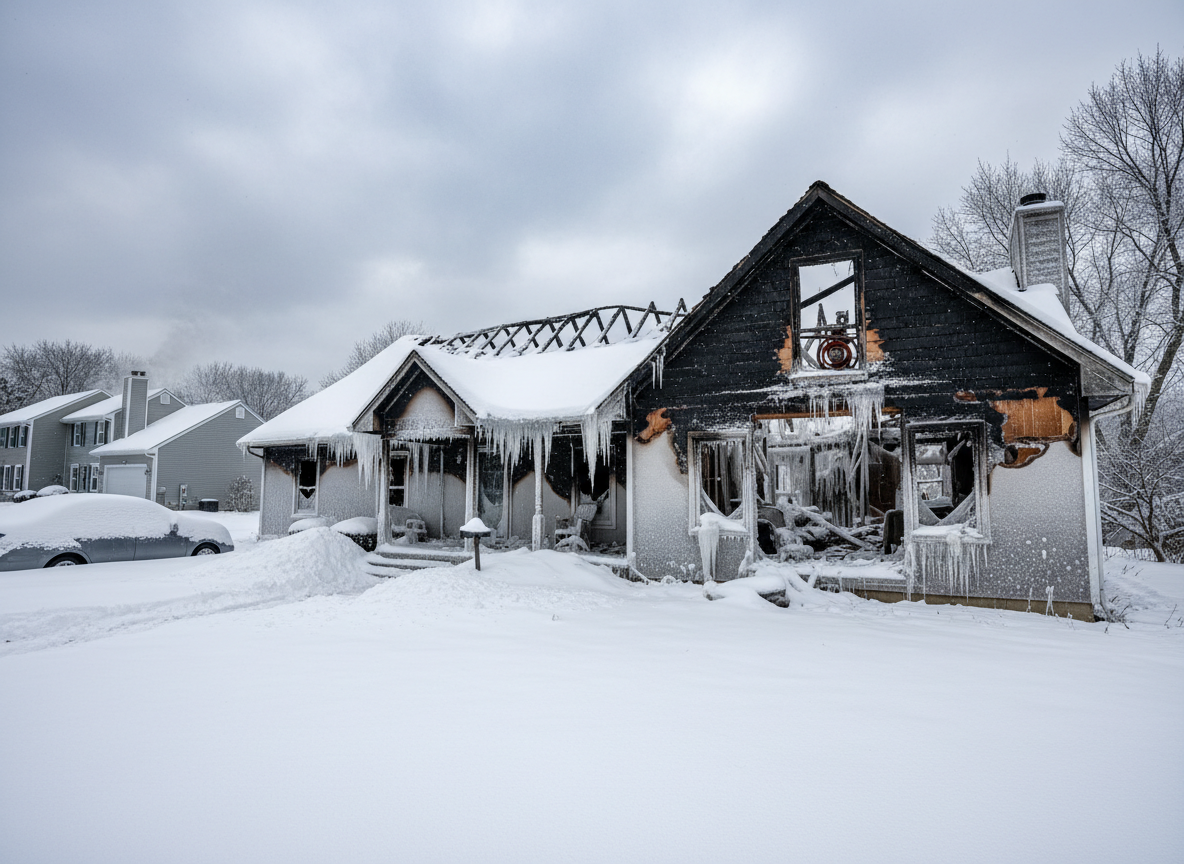
Winter weather in Burton homes typically prolongs fire damage recovery because heavy rainfall and elevated humidity drive moisture into charred materials and insulation, creating conditions for mold within days rather than weeks. This interaction is especially pronounced in the older housing stock around Burton and nearby Vashon neighborhoods where many homes feature crawl spaces and attics that trap damp air after a fire. Crews responding from 24009 Vashon Hwy SW must account for these factors from the first inspection onward.
Moisture Intrusion from Winter Rains
Persistent rainfall common to the Burton area seeps into fire-weakened roofs and siding, saturating drywall and subfloors that would otherwise dry faster in drier seasons. High humidity levels prevent natural evaporation, so water migrates deeper into wall cavities and floor assemblies. Technicians often find that a fire started in a kitchen or living room spreads moisture damage downward through electrical chases once rain begins. This combination requires simultaneous water extraction and soot removal rather than sequential steps. Homes near the shoreline on Vashon experience even higher moisture loads due to fog rolling in from Puget Sound. Proper drying equipment placement becomes critical to avoid hidden mold colonies behind baseboards and under cabinets.
Freezing Temperatures and Structural Complications
When temperatures dip below freezing, any standing water left from firefighting efforts or subsequent rain can expand inside pipes and fixtures, cracking lines that were already compromised by heat. Burton properties built before 1980 frequently have galvanized or copper plumbing routed through exterior walls, making them vulnerable to these freeze-thaw cycles. The added stress can turn a contained fire into broader structural concerns that affect load-bearing elements. Restoration teams prioritize locating and protecting these systems early because a secondary leak after the fire can undo initial drying progress. Cold also slows the off-gassing of smoke residues, leaving odors more stubborn until temperatures rise and ventilation improves.
Soot and Odor Behavior in Humid Conditions
Soot particles absorb ambient moisture during Burton winters, becoming heavier and more acidic, which allows them to bond more tightly to porous surfaces like plaster and unsealed wood. This changes cleaning protocols because dry methods alone often fail once humidity has activated the residues. Older Burton homes with original lath-and-plaster walls are particularly affected, as the cavities hold both soot and trapped moisture. Property owners notice that odors intensify after rain events rather than dissipating. Linking to handling smoke odor in older Burton properties provides further detail on targeted treatments. Crews combine thermal fogging with air scrubbing to address these humidity-activated odors without introducing additional moisture.
Coordinated Restoration Steps for Winter Fires
Effective response begins with boarding and tarping to shield the structure from ongoing rain while interior drying equipment runs continuously. Fire and flood restoration teams integrate dehumidification with soot removal to prevent cross-contamination between wet and contaminated zones. Documentation for insurance must capture both fire and weather-related damage progression, which is why many turn to documenting fire damage for insurance claims in Washington. Final clearance testing includes moisture readings in multiple locations because hidden dampness can remain even after visible surfaces feel dry. This methodical approach reduces callbacks when spring arrives and temperatures allow full inspection of previously inaccessible areas.